Cities Debate Air Conditioning as a Resident Right Amidst Warming Climate
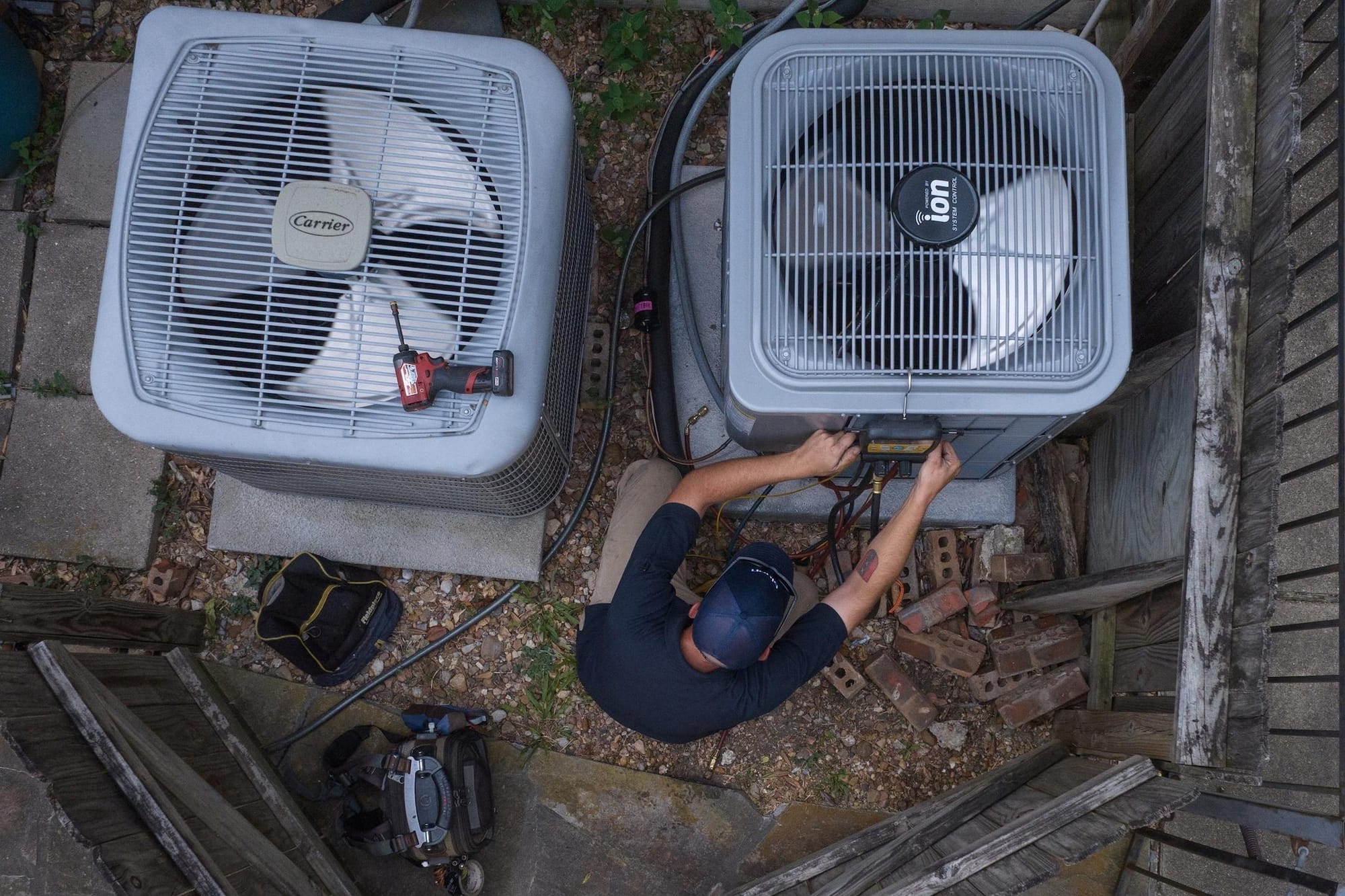
Amidst a warming climate and recent hot summers, some cities are considering whether air conditioning should be considered a resident's right, as part of ongoing discussions about climate change.

 Seattle Tacoma, WA, September 24, 2026 —
In response to escalating global temperatures and increasingly severe summer heatwaves, municipal governments in several cities are beginning to explore the concept of air conditioning as a fundamental right for residents. These discussions are unfolding against the backdrop of broader conversations about climate change and its impact on public health and living conditions.
The impetus for these considerations stems from the observable effects of a warming climate, including a trend of hotter summers in recent years. As extreme heat events become more frequent and intense, the lack of access to adequate cooling becomes a significant public health concern, particularly for vulnerable populations. The notion is shifting towards recognizing cooling as a necessity akin to other basic utilities.
However, the specific details of these discussions remain largely undefined in many locales. The exact cities or municipal bodies engaged in these deliberations have not been widely publicized. Furthermore, the legal frameworks, financial implications, and logistical challenges associated with designating air conditioning as a right are complex and are still subjects of debate and study. Information regarding specific proposals, potential timelines for implementation, or pilot programs has not yet been released.
Experts in urban planning and public health have noted that while the intention behind such proposals is to ensure equitable access to safe indoor temperatures, the practical execution involves considerable hurdles. These include the potential strain on energy grids, the cost of installation and maintenance, and the environmental impact of increased energy consumption. The discussions are in their nascent stages, focusing on whether and how such a right could be incorporated into urban policy and infrastructure.
The trend reflects a growing societal awareness of climate change’s direct impact on daily life and the need for adaptive measures to protect citizens from extreme weather. As cities grapple with the challenges posed by rising temperatures, the dialogue around essential services and resident rights is expected to continue evolving.
Story summarized from the original created by Cascade PBS Staff on www.cascadepbs.org, see more information here.
Media gallery