
Fungal Disease Threatening Bat Populations Spreads Westward, Nears Oregon
White-Nose Syndrome, a fungal disease causing mass bat deaths on the East Coast, is spreading westward and is nearing Oregon, posing a significant threat to bat populations in the Seattle-Tacoma region.

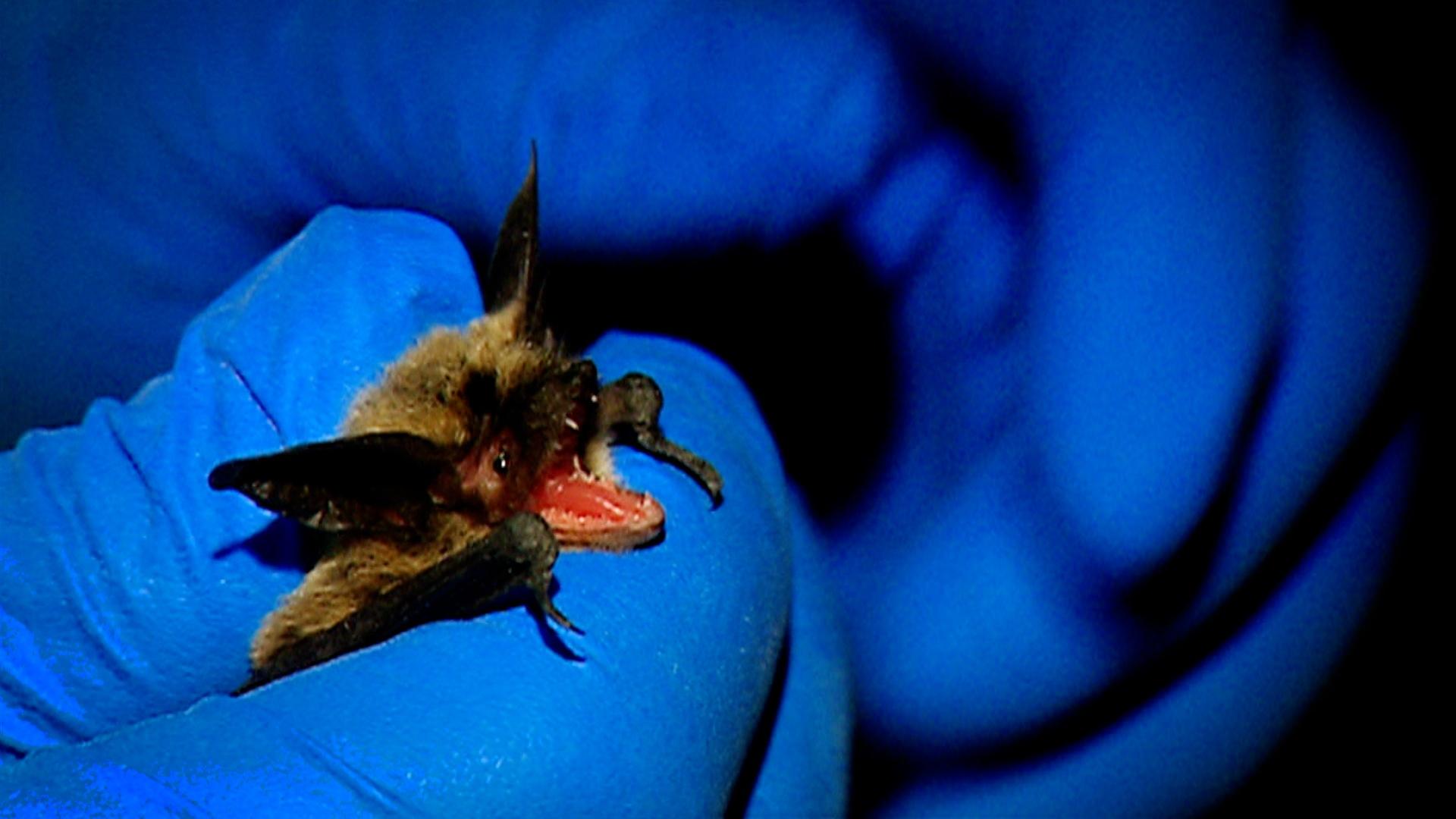
 Seattle Tacoma, WA, November 9, 2026 — The fungal disease known as White-Nose Syndrome (WNS), responsible for extensive bat mortality on the East Coast of the United States, is continuing its westward expansion. Recent developments indicate the disease is nearing the state of Oregon, raising concerns for bat populations in the Pacific Northwest, including the Seattle-Tacoma region.
White-Nose Syndrome is caused by a fungus, Pseudogymnoascus destructans, which thrives in cold, humid environments, such as hibernacula where bats overwinter. The fungus infects the skin of bats, particularly on their noses, wings, and ears, leading to abnormalities and physiological distress. Affected bats often exhibit weight loss, dehydration, and starvation, and may wake from hibernation more frequently, depleting their energy reserves.
First identified in New York in 2006, the disease has since spread rapidly across North America, devastating populations of hibernating bat species. While the exact transmission mechanisms are complex, it is understood that the fungus can spread through direct contact between bats, contaminated hibernation sites, and potentially human activities that disturb bats or carry fungal spores.
The proximity of White-Nose Syndrome to Oregon signifies a critical juncture for bat conservation efforts in the region. Bats play a vital role in ecosystems, including pest control for agriculture and forestry, and pollination. The potential loss of significant bat populations could have cascading effects on local environments.
As of the latest information, the disease has not been confirmed within Oregon. However, its documented presence in neighboring areas means that the risk to native bat species in the Seattle-Tacoma region and throughout Washington is substantial. Wildlife agencies and conservation groups are monitoring the situation closely and preparing for potential impacts.
The specific timeline for when White-Nose Syndrome might reach Washington or Oregon, and the projected severity of its impact on local bat populations, remain subjects of ongoing study and concern. Further details regarding specific bat species affected or conservation strategies in preparation for the disease’s arrival were not provided in the summary.
Story summarized from the original created by Cascade PBS Staff on www.cascadepbs.org, see more information here.
Media gallery


