Analysis Examines Marketing’s Role in Shaping American Traditions
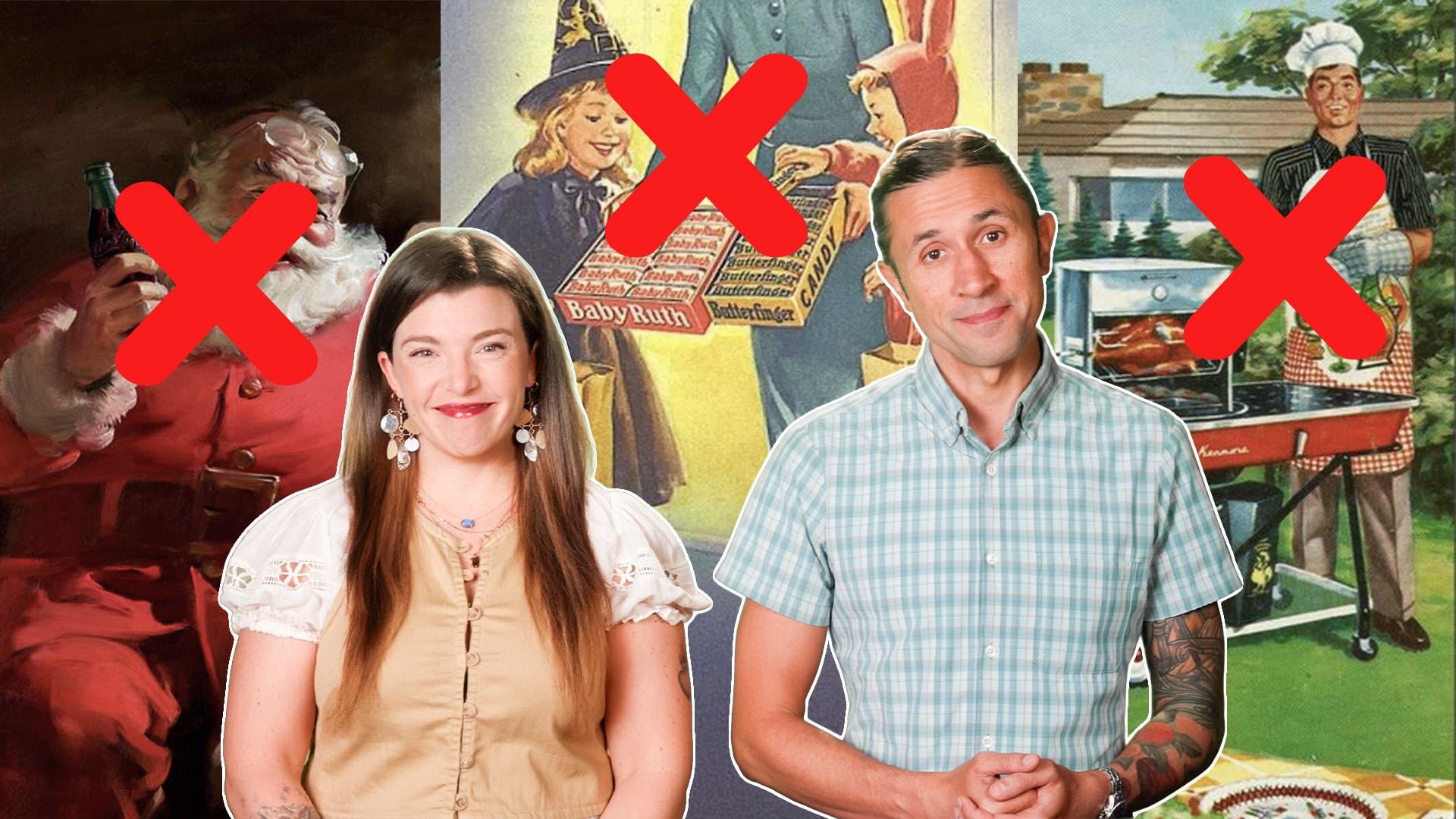
An analysis explores how marketers and capitalism have shaped American traditions, citing Halloween as a prime example of this collaborative influence on shared culture.

 Seattle Tacoma, WA, October 21, 2026 —
An analysis of American traditions examines how marketers and capitalism have helped shape shared culture, using Halloween as a leading example. The summary of the analysis describes this influence as collaborative, but does not explain the specific ways it has operated or identify particular marketing campaigns, businesses or historical periods.
The framing places Halloween within a broader question: how commercial forces and cultural traditions influence one another. Rather than presenting the holiday as separate from commerce, the analysis treats it as an example of a tradition shaped, at least in part, by marketers and capitalism. The information provided does not specify whether the analysis focuses on changes in celebrations, consumer behavior, public perceptions or another aspect of the holiday.
The analysis also connects the example to shared culture in the United States. That emphasis suggests its subject is not only marketing as a business activity, but also the relationship between commercial influence and traditions people recognize collectively. However, the available summary does not provide evidence, interviews, data or specific historical examples to explain the scale or consequences of that relationship.
The analysis’s author, publication, date and methodology were not provided. No individual marketers, companies or other sources are identified, and the summary does not state whether the analysis compares Halloween with other American traditions. Those details would be needed to assess how the argument is supported and how broadly it applies. As described, the central point is that marketers and capitalism have played a role in shaping American traditions, with Halloween offered as a prominent example of their influence on shared culture.
Story summarized from the original created by Cascade PBS Staff on www.cascadepbs.org, see more information here.
Media gallery