Ideally Finds Brands are Miscalculating the GLP-1 Footprint by 6X
Research from Ideally reveals GLP-1s are changing how 6 in 10 Americans shop, eat, and drink, a footprint six times

Press Release Disclaimer: This is a press release distributed through the XPR Media network. It has not been independently verified by our newsroom.
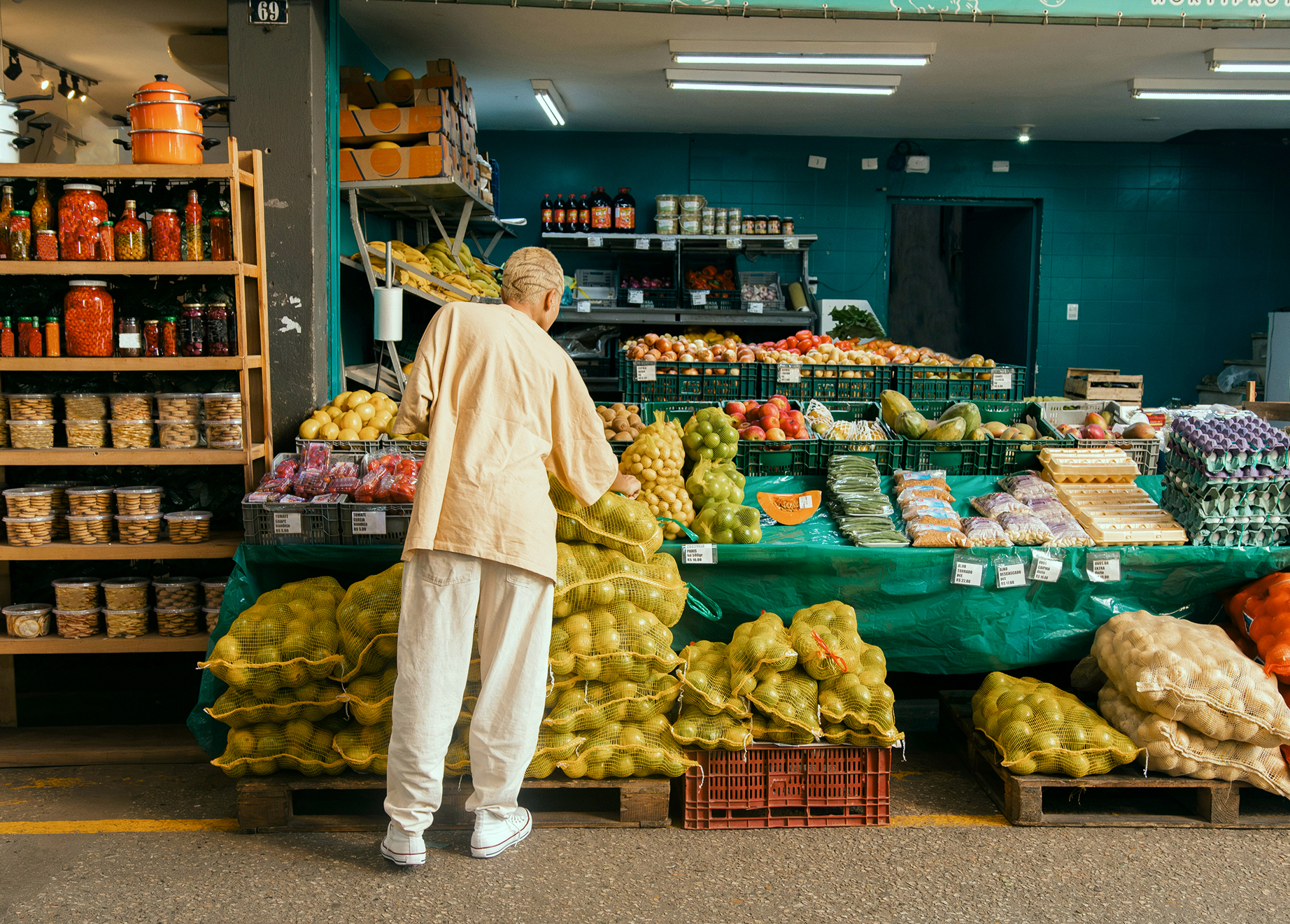

Research from Ideally reveals GLP-1s are changing how 6 in 10 Americans shop, eat, and drink, a footprint six times larger than active prescription numbers.
NEW YORK, NY, UNITED STATES, August 4, 2026 /EINPresswire.com/ — Most conversations about GLP-1s start and end with prescription counts. But according to a new study from Ideally, that’s not the number to watch. 60% of Americans now fall within the GLP-1 behavioral footprint, roughly six times the share who are actually on the medication.
The findings come from The Consumer Shift Reshaping How America Eats & Drinks, a national study of 2,184 US adults, exploring how GLP-1-driven behavior change, not just GLP-1 use, is reshaping snacking and alcohol consumption, and what that means for brands.
“Many of the products consumers are moving toward already exist. The task isn’t always to reinvent something new,” said Kathy Lubner, US Research Lead at Ideally, “Often, it’s to recognize how consumer priorities are changing, understand which occasions are growing or shrinking, and adapt packaging, positioning and communication accordingly.”
Among the report’s findings:
– The footprint extends well beyond users. 1 in 7 Americans now live in a household with a GLP-1 user and they’re adopting the habits without the medication: eating more protein, cooking at home, drinking less. Most describe the new habit, not what started it.
– The footprint skews younger than the drug itself. GLP-1 use skews older, but 66% of millennials and 60% of Gen Z fall within the behavioral footprint.
– The habits outlast the drug. 8% of adults have used a GLP-1 and stopped, but the behavior change persists.
– Snacking is feeling it first, but the work isn’t a new product invention. As appetite drops, baskets get more efficient and more selective. PepsiCo, Danone, and Nestlé are already responding.
– Alcohol is next, but the opportunity isn’t “alcohol-free.” Consumers aren’t swapping products like we might think, they’re rethinking the occasion itself: when, how, and why they drink.
The findings suggest that brands who are following prescription numbers alone are underestimating who’s already changing how they shop, eat, and drink. Those who recognize the changing appetite as one of the most important forces reshaping the food and beverage industry are the companies who will lead.
See the full report at goideally.com
Lindsay Bennett
Ideally
455715782398
email us here
Visit us on social media:
LinkedIn
Legal Disclaimer:
EIN Presswire provides this news content “as is” without warranty of any kind. We do not accept any responsibility or liability
for the accuracy, content, images, videos, licenses, completeness, legality, or reliability of the information contained in this
article. If you have any complaints or copyright issues related to this article, kindly contact the author above.

Media gallery