
Animal Kingdom Undergoes ‘Extreme Makeovers’: Natural Transformations Captivate Seattle-Tacoma Trend
A trending topic in Seattle-Tacoma discusses 'extreme makeovers' in the animal kingdom, illustrating natural transformations like insect metamorphosis, the axolotl's development, and planarian worm regeneration.

 Seattle Tacoma, WA, September 29, 2026 —
A fascinating natural phenomenon, dubbed “extreme makeovers” by observers, is trending in the Seattle-Tacoma region. This trend highlights the remarkable biological transformations that occur within the animal kingdom, showcasing nature’s capacity for profound change across diverse species.
The discussions center on several key examples of these dramatic life cycle alterations. Among the most compelling is insect metamorphosis, a complete change in body structure from larva to adult. This process, seen in butterflies, beetles, and flies, involves distinct stages such as egg, larva, pupa, and adult, with each form often occupying a different ecological niche.
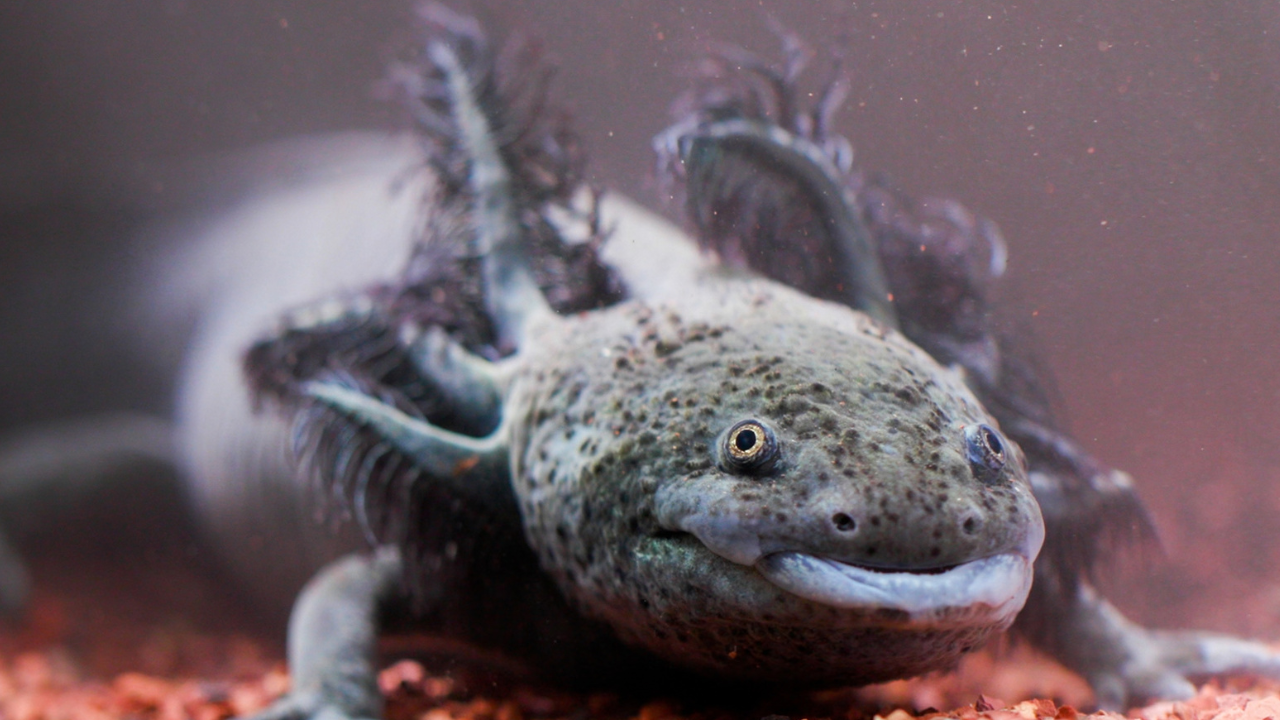
Another prominent example gaining attention is the developmental journey of the axolotl. This aquatic salamander is renowned for its neoteny, meaning it retains larval features like external gills into adulthood, unlike most amphibians that undergo metamorphosis to develop lungs and move to land. The axolotl’s ability to regenerate lost limbs and other body parts also contributes to its status as a subject of scientific and public fascination.
Furthermore, the regenerative capabilities of planarian worms are a significant part of the trending topic. These flatworms possess an extraordinary ability to regrow entire bodies from even small fragments. If a planarian worm is cut into pieces, each piece can develop into a complete new worm, a process that scientists continue to study for its potential implications in regenerative medicine.
These natural transformations, from the intricate changes of insect metamorphosis to the advanced regenerative powers of the axolotl and planarian worms, are capturing the interest of the public and sparking conversations about the resilience and adaptability of life on Earth. The trend underscores a growing appreciation for the complex biological processes that shape the natural world, particularly in the Seattle-Tacoma area.
Story summarized from the original created by Cascade PBS Staff on www.cascadepbs.org, see more information here.
Media gallery


